
What changed between an expired listing and an eleven day contract
This Northwest Raleigh home had several appealing features: five bedrooms, three bathrooms, just over 3,000 finished square feet, a screened porch, hardwood floors, and a side-entry garage. The first marketing period nevertheless ended without a sale.
The history matters because the eventual result did not come from a single change. The sellers renovated during the earlier listing period. Later, a relaunch brought a different asking price, in-home staging, new photography, and a more favorable market.
The first listing and renovation period
The home initially entered the market with finishes that some buyers wanted to update. Feedback suggested buyers were not comfortable taking on that work at the asking price. A reduction did not produce a contract, and the sellers chose to renovate while the listing remained active.
The work included the kitchen, bathrooms, hardwood refinishing, paint, and lighting. Following the renovation, the home was marketed near $800,000 without in-home staging. The earlier photography used virtual staging, as part of the earlier presentation.
The renovation improved the home, but buyers were still evaluating the asking price against other properties. During the first listing, there was a slowing market and repeated concerns about price and the rear setting. The listing eventually expired.
Reassessing the plan
Before the next launch, we reviewed recent comparable closings and current competition with the sellers. We discussed how the market had changed and which price the available evidence could support. The sellers agreed to a revised asking price and a different presentation strategy.
In-home staging helped define the rooms and showed buyers how the spaces could be used. New photography reflected the staged home. The launch also included a property website, open-house planning, and continued review of buyer feedback and activity.
The result and the market context
The home went under contract in eleven days, received multiple offers, and sold $5,000 above the relaunch asking price. The reported sale-to-relaunch-list ratio was 100.7%.
The market also improved during the relaunch window. Our comparison divided 25 closings into 21 earlier sales and four later sales. Four transactions are a small sample, so the later averages should not be treated as a broad market forecast. The timing still belongs in the account because it limits how much of the outcome can be credited to the revised presentation and price alone.
What another seller can learn
The next asking price should reflect current competition, even when substantial money has been spent on improvements. Presentation should help buyers understand the finished home, and the plan should respond to the evidence collected during the previous listing.
Before you decide whether another listing is worth considering, would you be open to reviewing what your previous attempt tells us about the next one?
Related reading: Your Road to Sold walks through a North Carolina sale, and the Before You Relist checklist can be sent from the page for a home that has already been listed.
What could your next move look like?
We will walk through your home, your goals, and what buyers are paying nearby, then lay out a clear plan to get you moving.
A guide for every move

Need to sell your home before you can buy the next one? The Sell to Move Guide walks through eight steps to make both moves work together and compares your options side by side.
Get the Sell to Move Guide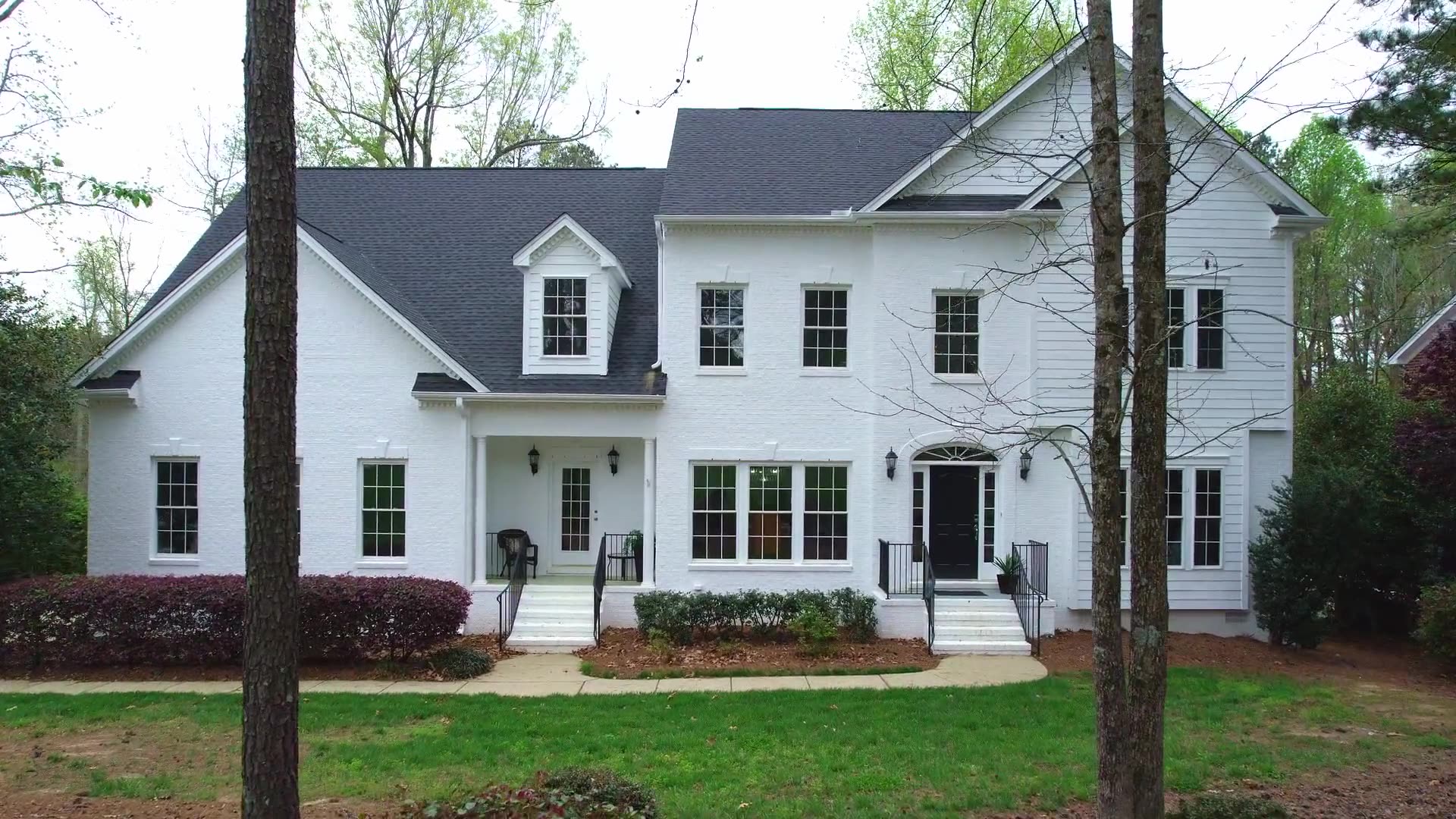
Getting ready to sell? Your Road to Sold walks you through selling in North Carolina in eight steps, from your first conversation to your closing check.
Get the seller guide
Buying your first home, or your next one? Your Road Home walks you through buying in North Carolina in eight steps, from your first conversation to getting your keys.
Get the buyer guide